Welcome to the MyArm Project
What is MyArm?

MyArm is an easy-to-use digital platform, created by stroke survivors, their carers, and healthcare professionals to support arm and upper body recovery after stroke. It delivers mental practice, which is when you think about moving, but don’t physically move, and can help boost recovery even when physical movement is limited. This approach is supported by research and recommended in stroke care guidelines. 1–3
MyArm is not a replacement for physiotherapy or occupational therapy but is designed to work alongside them to support your arm’s recovery.
What is mental practice?
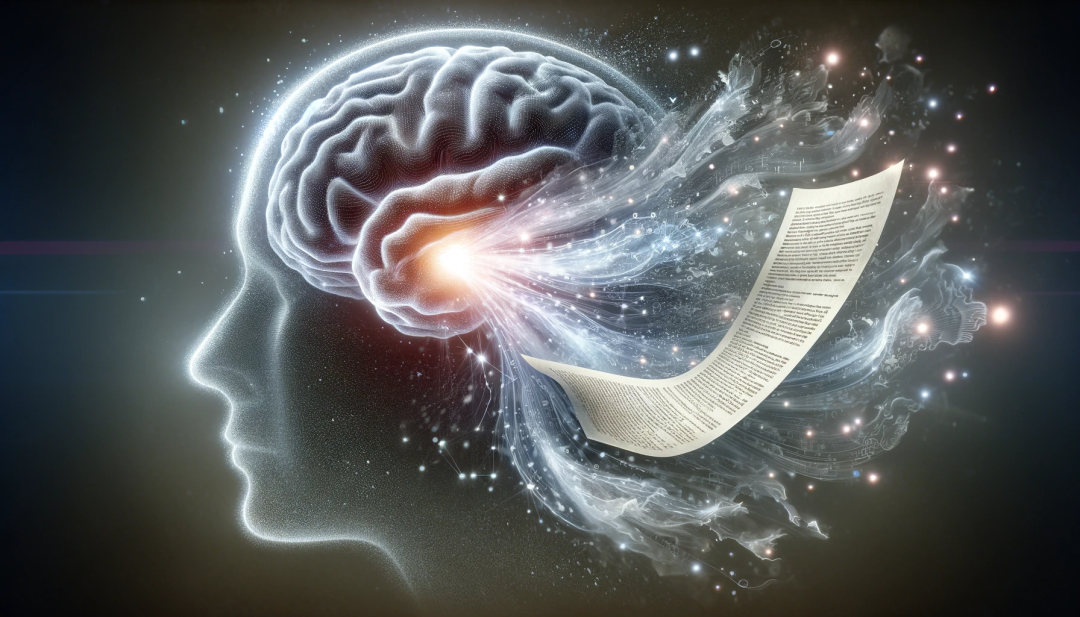
Mental practice (also known as motor imagery or mental imagery) involves imagining undertaking a task or activity. To do mental practice, you listen to detailed instructions that guide you to imagine moving your arm to undertake an everyday task. You only imagine moving – you don’t physically move at all – and so it is suitable for anyone who has problems moving their arm after stroke.
Mental practice is often used by sports people as part of their training, and musicians as they perfect a performance.
MyArm guides you do mental practice by providing instructions that guides you imagine moving your arm to complete specific activities.
Key Features
MyArm includes 20 mental practice activities, all designed to support arm recovery as part of your stroke rehabilitation. Each practice takes around 5 minutes, so doing 20 minutes a day is realistic—and could really help with your recovery.
You can repeat the same practice each time or try different ones. For the best results, try to match what you’re doing in mental practice with the physical activities you’re working on in therapy.
MyArm is available in four languages: English, Polish, Punjabi, and Urdu. You can choose your language when you log in.
MyArm also tracks how often you use it and lets you rate how easy each practice felt—so you can see your progress over time and stay motivated.
How often do I need to do it?
Like most things, you need to practice frequently to get the most benefit from mental practice. Recovery after stroke is variable and often takes time. At first, you might not see any benefits but it is worth persevering for six weeks if you can.
We suggest practicing 20 minutes a day, at least five days a week, because it’s long enough to give your brain time to focus and learn, but short enough to stay manageable and fit into your day. Research doesn’t tell us exactly how much to do, but doing mental practice regularly, in short sessions like this, seems to help people make progress with arm recovery after stroke.
Is it hard?
We know that many people may find it difficult to do mental practice at first, but, like most things, it is likely to get easier with practice. If you find it hard, it is worth persevering as it may take a few times before you feel like you can concentrate and imagine the movements. We do know that some people with certain types of stroke and problems understanding language after stroke might not be able to do mental practice – your therapist can advise you if it is the right choice for you.
Here are some tips to help you get the most out of your mental practice:
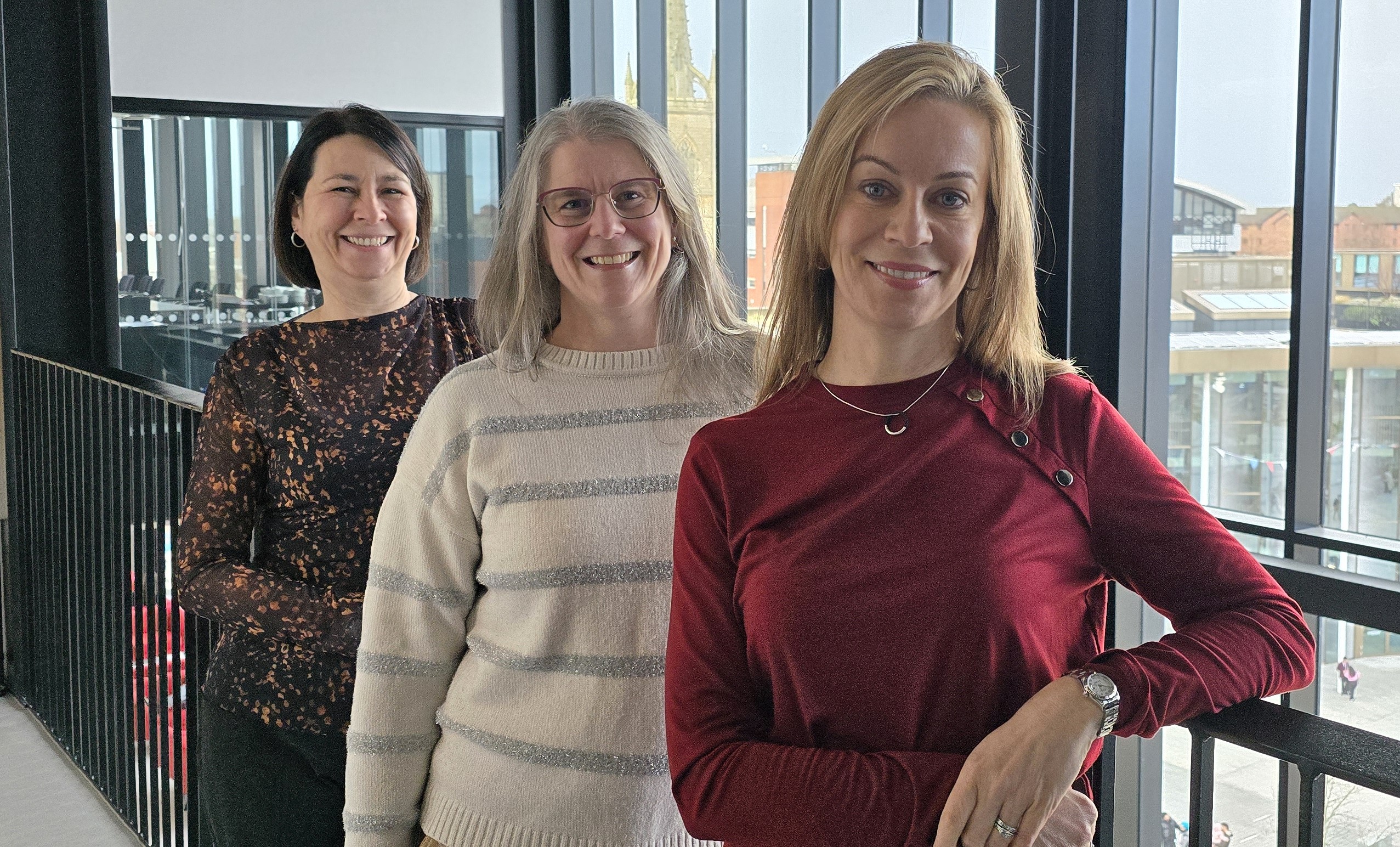
MyArm has been designed from the beginning with, and by, stroke survivors, (including those with communication problems and visual difficulties) and those that care for them, and experienced physio and occupational therapists. MyArm is produced by physio and occupational therapist researchers and the Innovation Lab at the University of Lancashire as part of a research fellowship funded by UK Research and Innovation.
We would like to thank all the people who helped us design MyArm –the stroke survivors, SpeakEasy Aphasia and Stroke Association groups, and all the UK physiotherapists and occupational therapists who provided such valuable feedback. We are also grateful to the staff and students of the University of Lancashire’s Acting and Languages departments for helping us with the voiceovers and translations.
About the MyArm team
We take the security and confidentiality of your information seriously. MyArm only asks you what language you would like to listen in and what you would like to be called – you don’t have to use your name, you could choose a nick name or something else. We only collect information about how long MyArm is used for and any feedback you have provided when using it. All information is stored securely using encrypted databases and secure transmission protocols to prevent unauthorized access.